
Palette Knife Techniques for Beautiful Buttercream Cakes
Ever looked at a cake and thought someone literally painted it instead of decorating it? Those soft buttercream strokes, textured layers, tiny flowers and messy colour blending make a cake look way too pretty to cut.
And the best part?
Most of that look comes from just one simple tool, a palette knife. That is what makes palette knife decorating so fun. It looks super professional online, especially in Instagram reels. But once you actually try it yourself, it feels much easier.
Palette knife baking actually looks better when it feels natural and slightly imperfect. Even random buttercream strokes end up looking artistic.
What Is Palette Knife Used for in Baking?
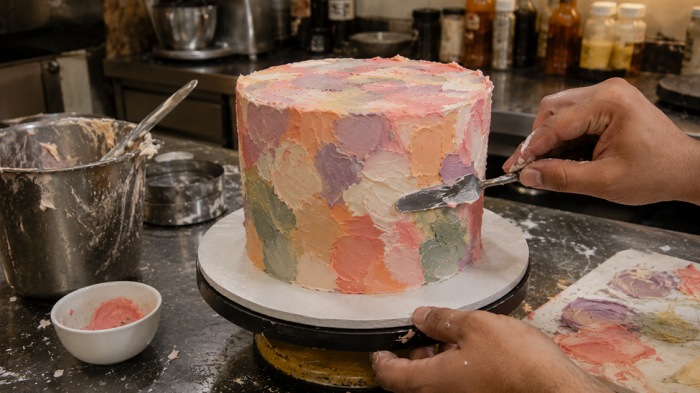
If you have never tried it before, think of it like painting with buttercream.
You pick up a little frosting using the palette knife, press it lightly onto the cake and drag it gently across the surface. A few simple strokes can give the cake that trendy textured look everyone keeps saving online.
That is why palette knife baking has become so popular. It feels easier and less stressful. You do not have to stress over perfectly straight piping or sharp edges the entire time. A few uneven strokes can actually make the cake look even prettier.
That makes the whole process feel way more enjoyable.
Is Palette Knife Cake Decorating Actually Beginner Friendly?
You have probably watched those cake videos too and wondered how people make buttercream look this beautiful with just a knife.
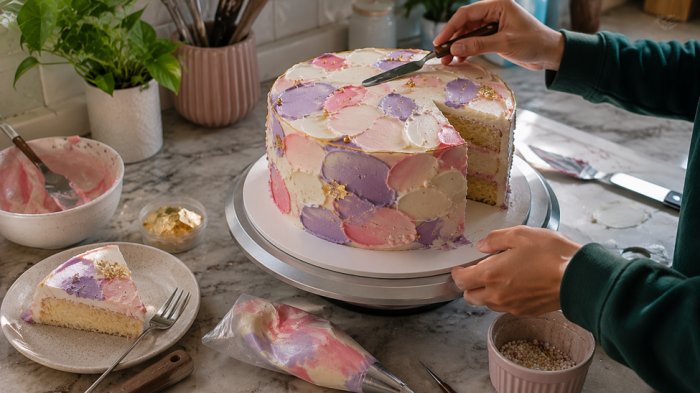
It looks difficult at first, but the moment you try it yourself, it starts feeling much simpler than expected. That is why so many beginners end up enjoying palette knife cake decorating after their first attempt.
What makes this style easier is that everything does not need to look perfectly smooth or exact. Those soft buttercream layers and painted textures are what create the artistic finish people enjoy the most.
Using the right set of palette knives also helps a lot too. Larger knives help spread buttercream smoothly, while smaller ones are perfect for flowers and detailed textures around the cake.
How Do You Make Palette Knife Buttercream Flowers?
Those soft buttercream flowers always look difficult in videos, right? Like something only professional bakers would know how to make. But once you understand the trick behind how to palette knife buttercream flowers, it starts feeling way less complicated than it looks.
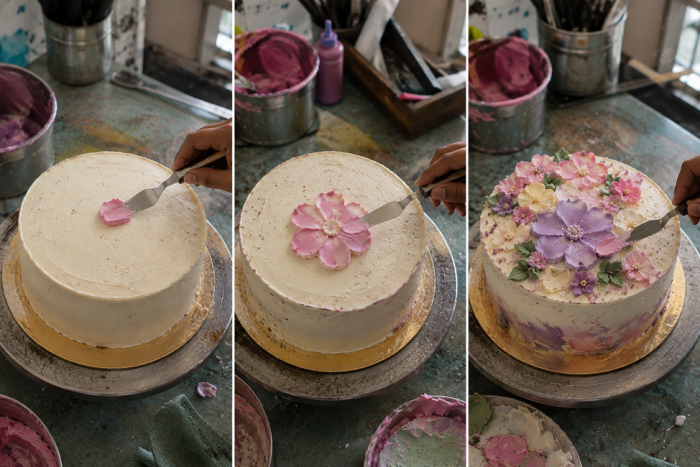
The whole palette knife buttercream flowers technique is really just small gentle strokes repeated around the centre. You pick up a little buttercream on the knife, press it lightly onto the cake, then pull away softly to create a petal shape. After a few strokes, the flower slowly starts coming together on its own.
One thing that really changes the final look is the buttercream texture. Thick buttercream can make the flowers look rough instead of soft. If it gets too soft, the petals lose shape quickly. Slightly soft buttercream usually works best.
And the colours? That is where the magic happens. Mixing two or three shades of gel food colouring together gives the flowers that soft painted look people love so much.
Three Easy Techniques to Try First
Feeling confused about where to begin? That is usually the biggest thing stopping people from trying palette knife cakes. But once you start with simple designs first, everything feels much easier and way more fun.
The Side Swipe: This one is the easiest to try. Just press the knife gently against the cake, swipe it across and lift it away. That textured finish comes together very naturally and gives the cake a creative painted effect.
Buttercream Flowers: Small press and pull strokes are all you need here. Layering different buttercream shades makes the flowers look soft and painted. A crank-handled palette knife really helps because your hand stays comfortably away from the cake while working on tiny details.
Colour Blending: Add little patches of different buttercream colours onto the cake and lightly drag the knife across them. The blended effect looks modern, soft and surprisingly satisfying to create.
What Do You Need to Get Started?
A lot of people think this style of decorating needs expensive tools or professional baking skills. But once you actually look at it, the setup is surprisingly simple. You already have half the things sitting in your kitchen.
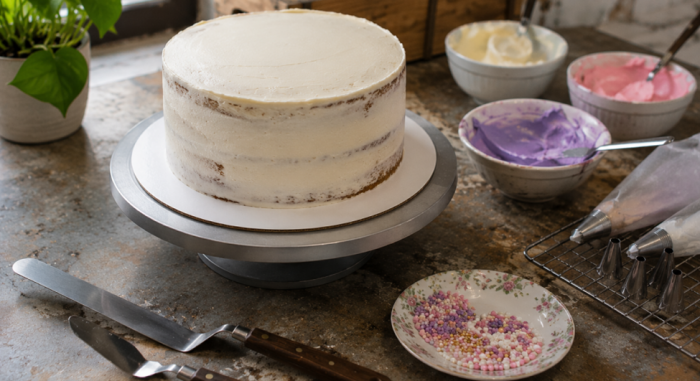
To start, you just need:
- A palette knife in two sizes. One bigger knife helps spread buttercream across the cake, while a smaller one makes flowers and textured details easier. Once you decorate cakes regularly, a professional palette knife set becomes much more comfortable and convenient to use.
- Buttercream in a few colours
- A chilled crumb-coated cake
- A turntable to rotate the cake smoothly while decorating
If you later want sharper borders or tiny finishing details, adding a few cake decorations and basic piping supplies to your baking equipment kit can make the final cake look even prettier.
Things That Make Palette Knife Decorating Easier
You will enjoy cake decorating with a palette knife once you know a few small tricks before starting.
- Chill your cake before decorating or the buttercream will slide around
- Clean the knife clean before changing colours unless you want muddy shades
- Start from the bottom and move upward slowly
- Use less buttercream than you think you need because too much gets messy fast
- If the design starts looking odd, chill the cake for ten minutes and continue again
Worth Trying?
Once you try decorating with a palette knife, you quickly understand why people get so obsessed with it. Small palette knife details can instantly make a cake look more artistic and modern. The best thing is that you do not need to spend weeks learning it.
Start with one small design first. Swipe a little buttercream, play with colours, make a flower, mess it up and try again. After a few tries, your baking palette knife slowly becomes the one thing you keep reaching for whenever a cake looks too plain.
And let’s be honest, even the mistakes usually end up looking intentional anyway.
Comments are closed here.