
Silicone Moulds vs Plastic Moulds
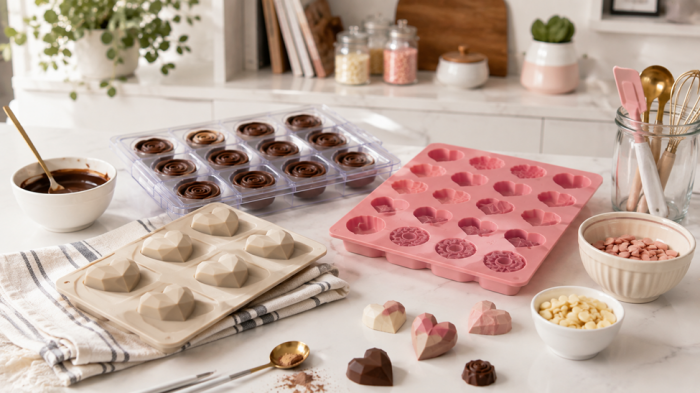
The first shopping decision for many cake projects is choosing the right moulds.
You open the website, find the design you like, and then notice something. The same mould is available in both silicone and plastic.
Now what?
They look almost identical in the photos, so it is easy to think they both do the same job. You might think either one will do the job, but the results can be quite different.
The truth is, silicone moulds and plastic moulds are made for different kinds of decorating. Once you know what each one does best, choosing the right one becomes much easier. If you already have your baking supplies ready, picking the right mould is the next step towards getting the finish you are hoping for.
What Is a Silicone Mould?
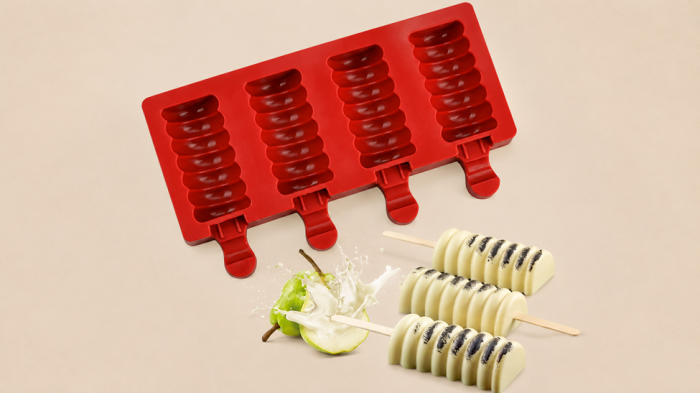
The first time you use a flexible silicone mould, it almost feels too easy.
You press in the fondant or chocolate, wait a little, then gently bend the mould. Instead of pulling or tapping to get the decoration out, it simply comes away on its own, with all the little details still in place.
That is why so many bakers like silicone moulds. The soft material bends without breaking, making it much easier to remove delicate decorations without damaging them.
You can use silicone cake moulds for lots of different projects, including:
- Fondant and modelling paste decorations
- Number, letter, and novelty sponge cakes
- Chocolate bonbons and filled chocolates
- Isomalt, jelly, and mousse shapes
If you are looking for ideas, the FPC bear head silicone mould, FPC sport balls mould, and gingerbread people silicone mould are popular choices. For shaped bakes, the bubble cube baking silicone mould with 6 cavities gives even portions and releases them cleanly without sticking.
What Is a Plastic Mould?
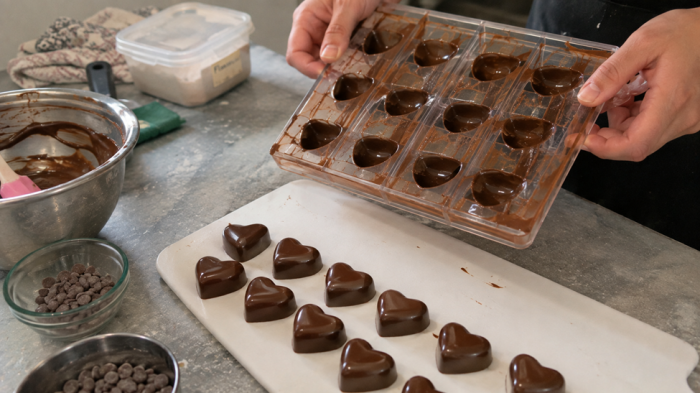
Once the mouldis filled, all you can do is wait for the chocolate to firm up.
You can’t help thinking, will it come out cleanly?
With a rigid plastic mould, you do not bend the mould to release the chocolate. You simply wait until the chocolate has set properly, then give the mould a gentle tap. If the chocolate has been tempered well, it comes out with a smooth, shiny finish.
That is why many people choose plastic moulds for making chocolates. They are a popular choice for chocolate bars, bonbons, and other treats where a glossy finish really stands out.
If you are making a large batch, chocolate moulds made from polycarbonate also help keep every piece the same size and shape, so everything looks neat from the first chocolate to the last.
How the Results Actually Differ?
You make the same chocolate twice.
The recipe is the same. The chocolate is the same. Everything stays the same except for the mould.
When you turn them out, they do not look the same at all.
The chocolate from silicone moulds will come out very easily, even when making small pieces or decorations. The soft mould bends, so you are less likely to damage the finished piece while taking it out.
The chocolate from the plastic mould will look different. It will have a smoother and more shiny surface, provided that the chocolate is tempered properly. But If the chocolate is not properly tempered, it may stick to the mould instead of releasing cleanly.
That is why many bakers keep both types of moulds. Silicone moulds are great for fondant, modelling paste, and everyday chocolate projects, while plastic moulds are often the first choice for glossy chocolate bars, bonbons, and other chocolates where the finish really matters.
| Feature | Silicone Mould | Plastic Mould |
| Best for | Fondant, modelling paste, novelty cakes, everyday chocolate | Glossy chocolate bars, bonbons, filled chocolates |
| How it comes out | Bend it and peel it out | Tap it out once fully set |
| Finish | Soft, matte look | Shiny, mirror like finish |
| Good for beginners | Yes, very easy | Not as easy, needs proper tempering |
| Flexibility | Bends without breaking | Stiff, does not bend |
| Fine detail | Very good, picks up small details | Good, but only if chocolate is tempered right |
| Washing | Warm soapy water, lay flat to dry | Wash by hand only, keep away from dishwasher |
| Uses | Works for fondant, chocolate, isomalt, jelly, mousse | Mostly used for chocolate |
| Good first mould? | Yes, one mould works for many things | Better to add later once you know tempering |
Silicone Moulds for Chocolate
You pour the melted chocolate into the mould and wait for it to set. That last part can feel like the longest wait.
Once it is ready, silicone moulds make taking the chocolate out much easier. A gentle bend is often enough for the chocolate to pop out without breaking, which is why many home bakers like using them for everyday chocolate making.
Swimming pool chocolate mould, mini rugby ball mould, and rugby ball elegance mould are good examples of chocolate moulds that make it easy to make unique shapes of chocolates without much effort.
After all, it is much more satisfying to have every chocolate come out neatly than to struggle with broken pieces just for a shinier finish.
Before filling your moulds, try mixing a few cocoa butter drops into the melted chocolate. They help the chocolate flow more smoothly and release more cleanly once it has set.
Which One Should You Buy First?
You have seen so many cakes with chocolate decorations, fondant toppers, and shaped treats that you finally decide to try making some yourself.
Then comes the first purchase.
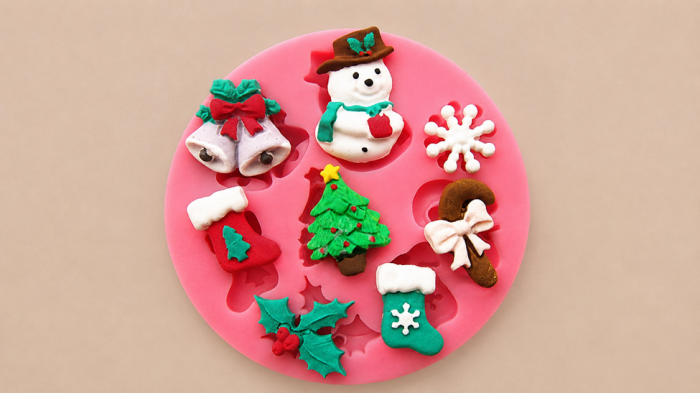
If you are only buying one mould to begin with, silicone moulds are a practical choice. You can use them for chocolate, fondant, modelling paste, and lots of other decorating projects, so they do not stay sitting in a drawer after one use.
The FPC crown and flag silicone mould, FPC letter moulds, and the FMM Happy Birthday letter silicone mould are all good options to start building your collection.
A chocolate polycarbonate mould is worth looking at later if you want chocolates with a glossy finish. Once you are comfortable using silicone moulds, adding polycarbonate moulds gives you even more options for different baking projects.
If you also enjoy making pastries or layered desserts, a stainless steel mould is another useful option. Unlike silicone or plastic moulds, it helps create neat, uniform shapes for items such as cube croissants, mousse desserts, and individual pastries.
Caring for Your Moulds
You finish making your decorations, give the moulds a quick rinse, and put them away until the next cake.
A few weeks later, you pull them out again, only to find one has lost its shape or still has bits of old chocolate stuck inside. It only takes a little care to stop that from happening.
Wash silicone moulds in warm soapy water and store them flat so they keep their shape. Plastic moulds are better washed by hand because the heat from a dishwasher can affect them over time.
While you are getting everything ready for your next bake, keep a bag of chocolate dark drops nearby. They melt smoothly and work well with both types of moulds. If you are making fondant decorations, modelling paste is also worth reaching for because it holds fine details much better than standard sugarpaste once it has dried.
Comments are closed here.