
Your First Vegan Cake Starts Here
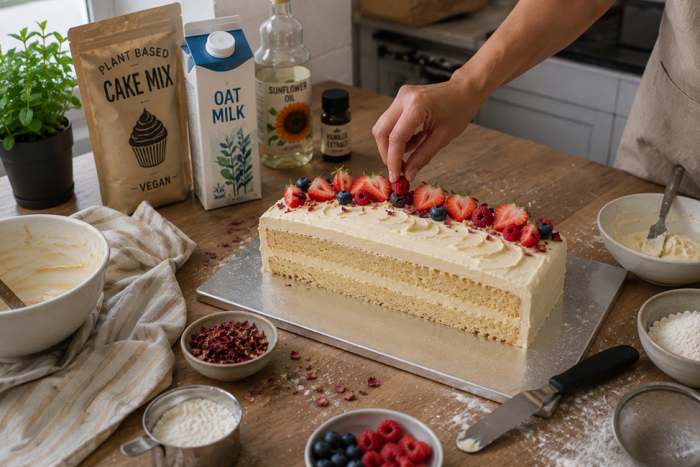
Think baking a vegan cake is difficult? A lot of people do until they try it for themselves.
You do not need hard-to-find ingredients, complicated swaps or baking tricks that only experts know. With the right recipe, you can make a soft, fluffy cake using simple ingredients that are easy to pick up from the shop.
And the result? A cake that tastes just as good as any traditional bake.
Once you see the ingredients and steps, it all feels much easier than you think. In fact, many vegan cake recipes are much simpler than people expect and use ingredients you may already have at home. You are not far from your first vegan cake when your cake mixes are prepared and your baking equipment is ready to use.
Does It Actually Taste the Same?
That is probably the first question that comes to mind, right?
Yes, it does. A good vegan cake can be soft, light, and delicious. In many cases, you would never guess it was made without eggs or butter.
The difference is not in the taste. It is simply made with different ingredients. Once you try it, you will see that vegan cakes can have the same soft texture and enjoyable flavour as many traditional cakes.
What Goes In Instead of Eggs and Butter?
At this point people start thinking that if there are no eggs, no butter, so what goes into a vegan sponge cake instead?
The replacement ingredients are easier to work with than many people expect.
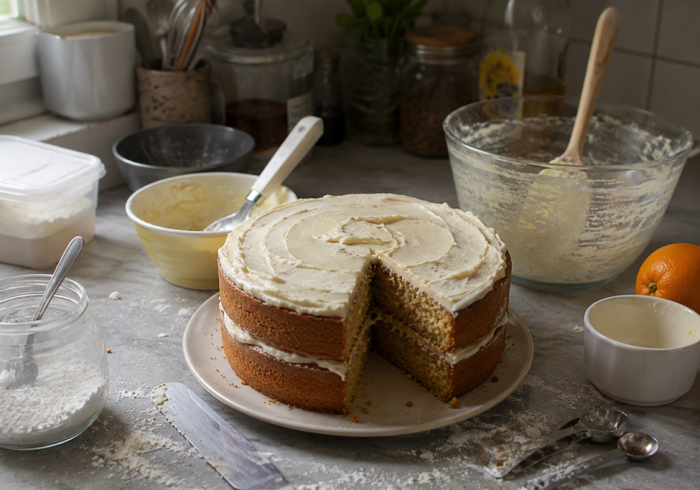
Instead of eggs, you can use plant-based milk mixed with a little apple cider vinegar. Leave it for a minute and it starts to thicken slightly, almost like a dairy-free buttermilk. When combined with bicarbonate of soda and baking powder, it helps your vegan sponge rise nicely in the oven.
For butter, you can use vegan block spread or a neutral oil. Just make sure it is not too cold before mixing. When everything blends together smoothly, your batter comes together much more evenly and gives you a softer cake.
A Simple Vegan Sponge Cake Recipe
This one works. Every time.
What you need:
- 225g self-raising flour
- 175g caster sugar
- 1 tsp baking powder
- Half tsp bicarbonate of soda
- Pinch of salt
- 200ml oat or soy milk
- 100ml neutral oil or soft vegan butter
- 1 tbsp apple cider vinegar
- 1 tsp vanilla
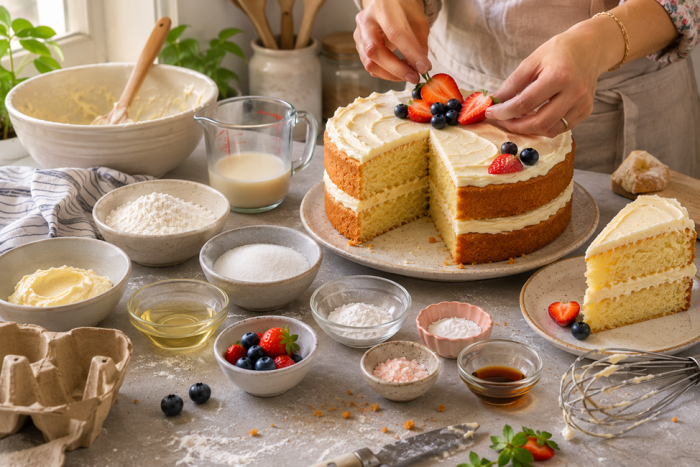
A good vanilla paste can make a real difference to the flavour. It adds a little extra depth and gives the sponge a richer taste than plain extract, which is why it is a popular choice in many vegan cake recipes.
Not getting enough rise from your cake? baking powder is often the first thing to look at. If it has been open for months, it may not work as well, and that is often the reason a vegan sponge cake does not rise properly.
How Do You Actually Make It?
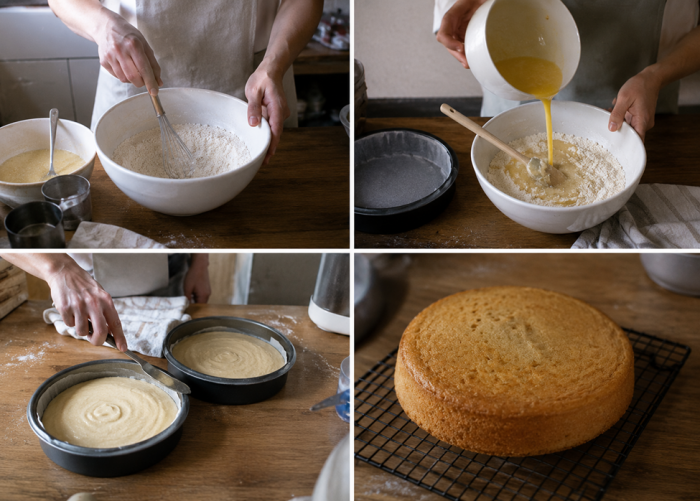
Start by heating your oven to 180C fan and greasing two 20cm round tins.
Place the flour, sugar, and other dry ingredients into a bowl and stir them together. In a separate jug, combine the milk and vinegar and leave it for a minute. With the milk mixture ready, stir in the oil and vanilla.
Now pour the wet mixture into the dry ingredients and mix until everything comes together. No complicated steps here. Just a quick, gentle mix and you are ready to go.
Divide the batter between the tins and bake for 22 to 25 minutes.
Do not rush this step. The cakes will be much easier to handle once it is no longer warm. A warm vegan cake is much more likely to crack or crumble while you are handling it.
Vegan Buttercream: Easier Than You Think
If you have never made vegan buttercream before, you might be surprised by how simple it is.
All you need to do is beat the vegan butter until it turns smooth and creamy. Then slowly mix in the icing sugar, giving it time to blend fully before adding more. If it feels a little thick, add a splash of plant milk.
Once the texture looks smooth and fluffy, you are ready to start decorating. Spread it over your vegan cake, swirl it on top, or use it for a vegan birthday cake. It is easy to work with and holds its shape really well once chilled.
Want Your Vegan Birthday Cake to Stand Out?
Once your vegan birthday cake is baked and cooled, you can keep the decoration as simple or detailed as you like.
If you are colouring buttercream, oil-based food colouring usually mixes more evenly into vegan buttercream and helps maintain a smooth texture.
Want a fondant finish? Many sugarpaste and rolled icings are already suitable for vegan cakes, so a quick label check is usually all you need.
Whether you prefer a simple finish or a themed design, a vegan cake gives you just as many decorating options. Your favourite Cake decorating supplies can help you create a design that matches the occasion without changing the baking process at all.
Do Not Skip These Simple Tips
A few simple habits can help your vegan sponge cake turn out much better.
- Try not to overmix the batter. Once everything comes together, stop mixing. Too much stirring can make the sponge less soft.
- After mixing the milk and vinegar, leave them for a minute before adding them to the bowl. That short wait helps the ingredients do their job.
- Wait until the cake has completely cooled before adding buttercream. Vegan buttercream does not sit well on a warm sponge.
- Give the batter a quick taste before it goes into the oven. If you would like a little more flavour, add an extra touch of vanilla or a pinch of salt before baking.
One More Thing
If this is your first vegan cake, do not worry about getting everything right straight away.
The more cakes you make, the more confident you become with the process. The first time around, you learn what works and what you might do differently next time.
With each bake, you become a little more confident in the kitchen. Before long, you have a vegan cake recipe that you know works and a cake you are happy to share with family and friends.
Just start where you are and let each bake teach you something new.
Comments are closed here.